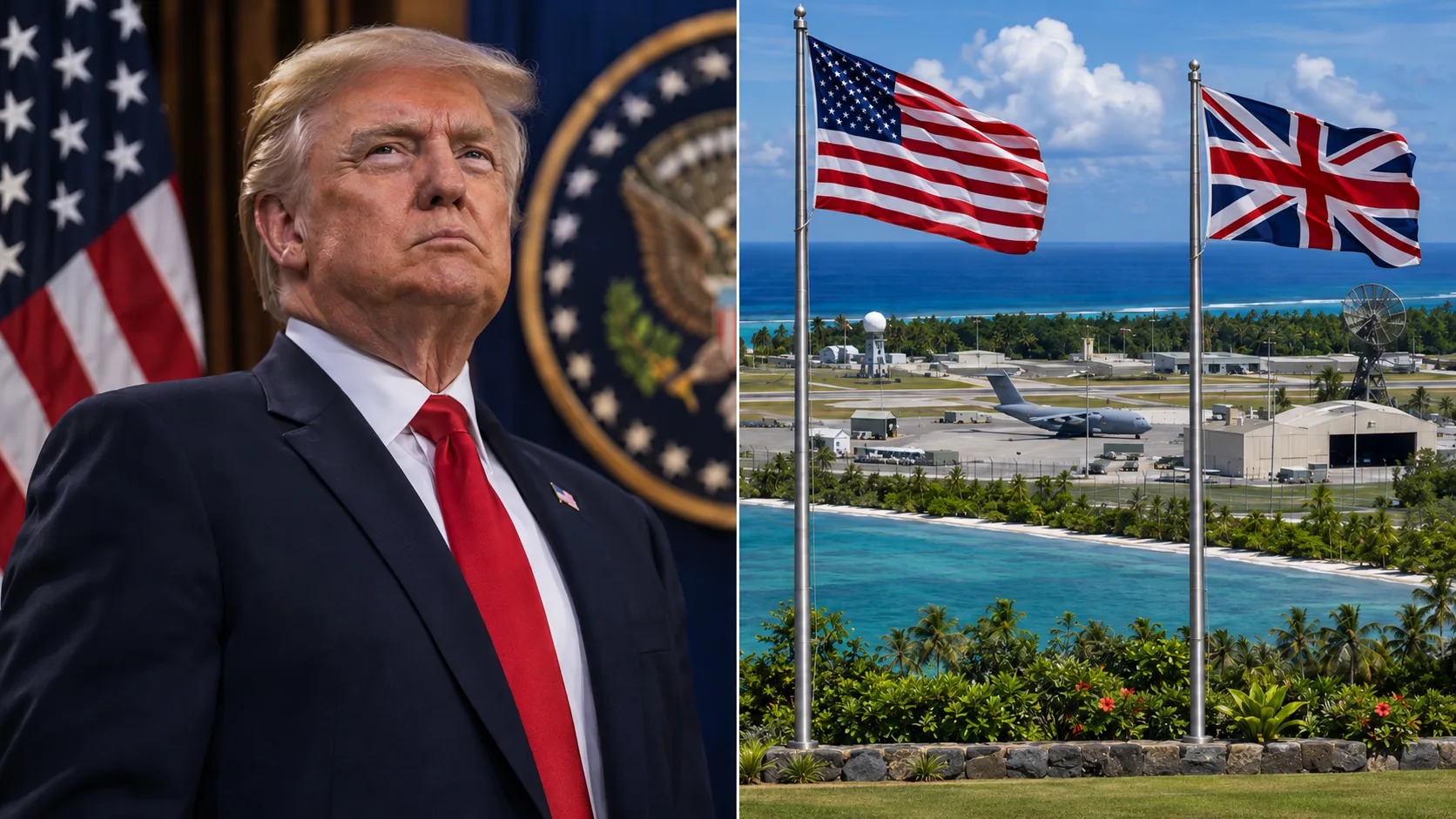
A SOURCE who works closely with US President Donald Trump has told the Great British PAC that “giving away Diego Garcia only to rent it back risks weakening the entire West”.
The source raised concerns as the British Government continues efforts to reach an agreement with Mauritius despite President Trump’s previously expressed opposition.
At the heart of Labour’s Chagos agreement lies a fundamental question.
How does Britain strengthen its national security by relinquishing sovereignty over one of the most strategically important military bases in the world and paying another country for its continued use?
Labour insists its agreement secures the future of Diego Garcia. Its critics argue that it introduces new risks, financial obligations and potential legal disputes that could have consequences for generations.
President Trump, who spent decades in the property business before entering the White House, has himself described the rental agreement as a “terrible deal”.
The difference between ownership and contractual rights is particularly relevant to the future of Diego Garcia. But the stakes here go considerably beyond those of any commercial property transaction.
They concern the security of Britain, America and the wider Western alliance.
Britain would surrender sovereignty and pay for continued access
Diego Garcia is an extraordinary strategic asset.
Situated in the Indian Ocean, it provides Britain and America with a military presence within reach of the Middle East, Africa and Asia.
It supports naval operations, military aircraft, intelligence gathering and nuclear-powered submarines. Its geographical position cannot simply be replicated elsewhere.
Yet under Labour’s original agreement, Britain would transfer sovereignty over the entire Chagos Archipelago to Mauritius, retaining the right to operate the military base for an initial period of 99 years.
The Labour Government has estimated the average annual cost at £101 million in today’s money.
Ministers argue that international legal challenges to British administration of the islands have created uncertainty and that a negotiated settlement would provide greater security for the base.
But that argument deserves rigorous scrutiny.
Britain would move from being the sovereign power to exercising rights granted under an international agreement with another country.
What happens when governments change? What happens when international alliances shift? What happens when Britain and Mauritius disagree over their respective treaty obligations?
A military base of such strategic importance requires security that can withstand geopolitical changes over generations.
The nuclear treaty Labour must explain
One of the most significant aspects of the Chagos agreement, and one that has received comparatively little mainstream attention, concerns the Treaty of Pelindaba.
Mauritius is a party to this international treaty, which establishes Africa as a nuclear-weapon-free zone and prohibits participating countries from allowing nuclear weapons to be stationed on their territory.
The implications for Diego Garcia deserve serious attention.
If Mauritius becomes the sovereign power, a future Mauritian government could invoke its obligations under the Pelindaba Treaty in a dispute concerning military activities on the island.
This concern has been raised repeatedly in Parliament.
Although Mauritius is currently saying the treaty would not automatically prohibit visits by nuclear-powered submarines, questions remain over the potential implications for nuclear-armed vessels and the operational flexibility of British and American forces.
What happens if a future Mauritian government adopts a different interpretation of its obligations?
What happens if an international legal challenge seeks to restrict military activities on Diego Garcia?
Where would Britain and America find equivalent facilities to support their submarine operations in that part of the world?
The Government maintains that its agreement protects the unrestricted operation of the base. It must explain how those protections would withstand challenges arising from Mauritius’s other international treaty obligations.
These questions should be answered before sovereignty is transferred, not afterwards.
The China factor
There is also the considerable geopolitical question of China’s growing influence in the Indian Ocean.
Mauritius maintains established diplomatic and economic relationships with Beijing. They are also heavily indebted to China.
While Labour’s original agreement contains protections intended to prevent third-party interference with the base, governments change, alliances evolve and economic relationships can create new political pressures.
An agreement intended to last 99 years must account for far more than the intentions of the people signing it today.
Consider how dramatically the world has changed over the past century.
Nobody negotiating this agreement can predict what the geopolitical landscape will look like in 10, 50 or 99 years.
The Government must therefore explain not simply why it trusts the current Mauritian administration, but how Britain would protect its interests against future governments with potentially very different priorities.
Trump’s opposition has forced Labour to reconsider
As reported by the Financial Times in September, President Trump’s renewed opposition to the Chagos agreement forced the British Government to review its plans.
During his meeting with Andy Burnham in New York on September 22, Trump described the agreement as a “terrible deal”.
The legislation intended to implement the original treaty was halted in April following a change in the American administration’s position.
For campaigners seeking to retain British sovereignty over Chagos, American opposition has provided an important opportunity to challenge the proposed transfer.
Yet Labour has not abandoned its efforts to reach an agreement with Mauritius.
Official Mauritian Cabinet documents dated November 20 reveal that Mauritian Prime Minister Navin Ramgoolam pressed Burnham for urgent progress during their meeting at the Commonwealth Heads of Government Meeting in Antigua and Barbuda.
Ramgoolam also raised the possibility of further legal action should sufficient progress not be made.
According to the Mauritian Cabinet document, Burnham agreed to work towards a shared plan before the end of December 2026.
As of November 26, there has been no publicly confirmed reversal of President Trump’s opposition to the original treaty.
His presidential term is scheduled to continue until January 2029, by which time Britain could have held another general election.
The long-term future of British sovereignty, however, should not depend upon the political timetable of an American president.
British political parties must set out clearly where they stand on the future of Chagos and what commitments they would make to protecting the security of Diego Garcia.
A decision that could outlast generations
Andy Burnham has inherited the parliamentary majority secured by Labour under Sir Keir Starmer in 2024.
Although Britain’s parliamentary system allows him to govern without immediately seeking a fresh electoral mandate, the transfer of sovereignty over strategically important territory is a decision that could have consequences long after his administration has left office.
The British public deserves to know exactly what is being negotiated.
What has Burnham promised Mauritius?
Would a revised agreement still involve the transfer of British sovereignty?
How much would British taxpayers be expected to pay?
What guarantees would Britain and America have concerning nuclear operations?
And would Parliament be given a meaningful opportunity to scrutinise any revised agreement?
These are fundamental questions of democratic accountability and national security.
And what about the Chagossian people?
Perhaps the most painful aspect of this entire affair is the treatment of the Chagossian people.
Forcibly removed from their homeland decades ago, their families have endured exile while successive generations have campaigned for the right to return.
Now governments are once again negotiating over the future of their ancestral homeland.
The latest Mauritian Cabinet announcement refers to securing the interests of Mauritius, Britain and America.
In that particular passage, there is no explicit mention of the interests of the Chagossian people themselves.
The Great British PAC has been supporting Chagossians in their ongoing legal battles.
Their homeland is not simply a strategic asset or a bargaining chip in international negotiations. Their wishes, their rights and their future deserve meaningful consideration.
Security is more than a ministerial promise
Labour keeps saying its agreement “secures Diego Garcia.”
Nothing could be further from the truth.
Labour want Britain to relinquish sovereignty, assume substantial financial commitments and become dependent upon the protections of an international agreement with another sovereign country.
Questions also remain over the Treaty of Pelindaba, future geopolitical pressures and the remedies available to Britain should disputes arise.
Labour argues that a negotiated agreement would resolve longstanding international legal uncertainty. It must demonstrate why that benefit outweighs the risks associated with relinquishing sovereignty.
The warning from the source within President Trump’s team brings the wider implications of this decision into focus.
This is not simply about a collection of islands in the Indian Ocean. It is about Western military capability, British sovereignty, democratic accountability and the future security of generations yet unborn.
International agreements can be disputed. Governments can change. Alliances can shift.
And once sovereignty has been relinquished, recovering it could be an entirely different proposition.
The time to establish whether Labour’s promises withstand scrutiny is now, while the Chagos Islands remain under British administration.
Not when the ink has dried and sovereignty has already changed hands.
Chagos MUST stay British. World security depends upon it.
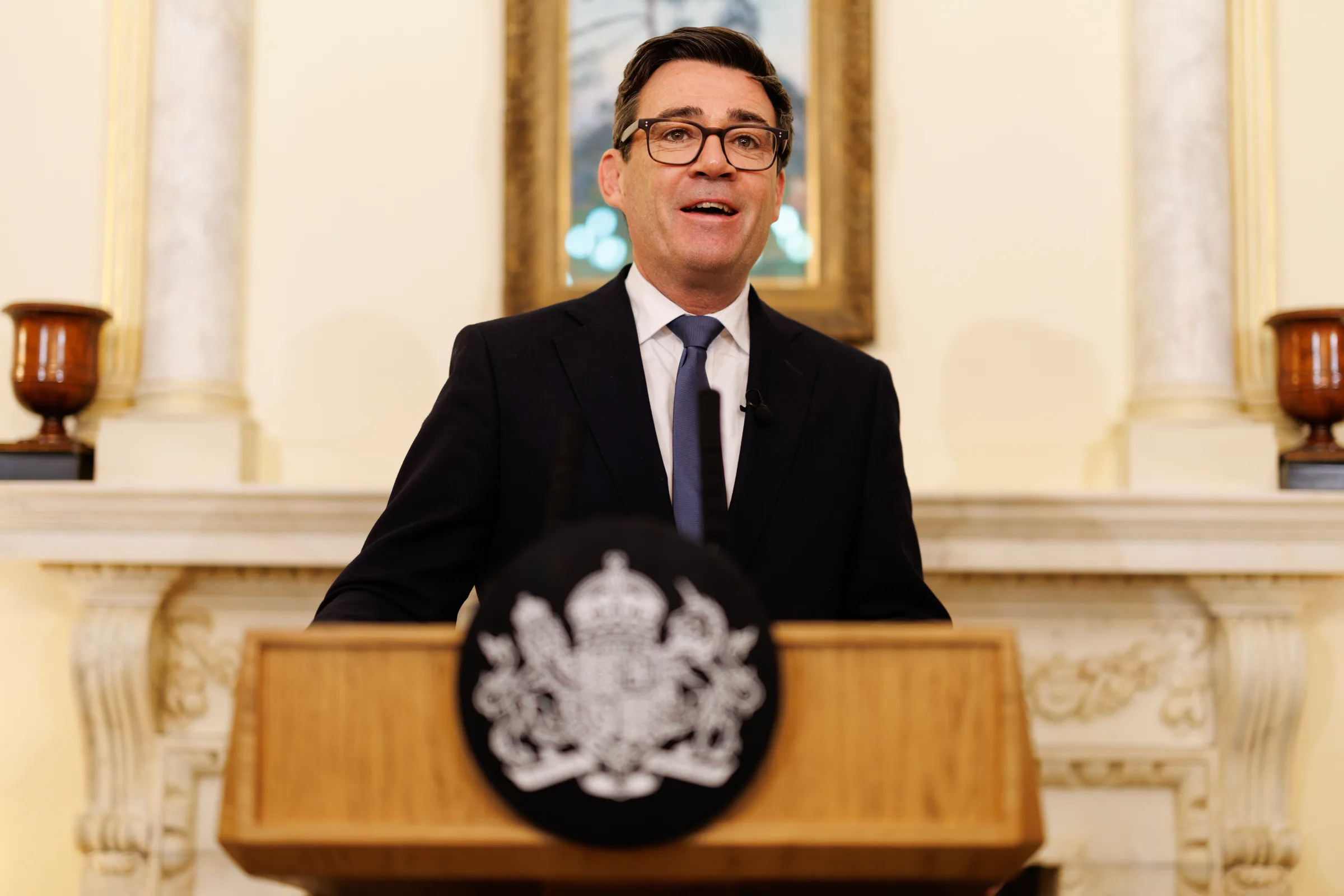
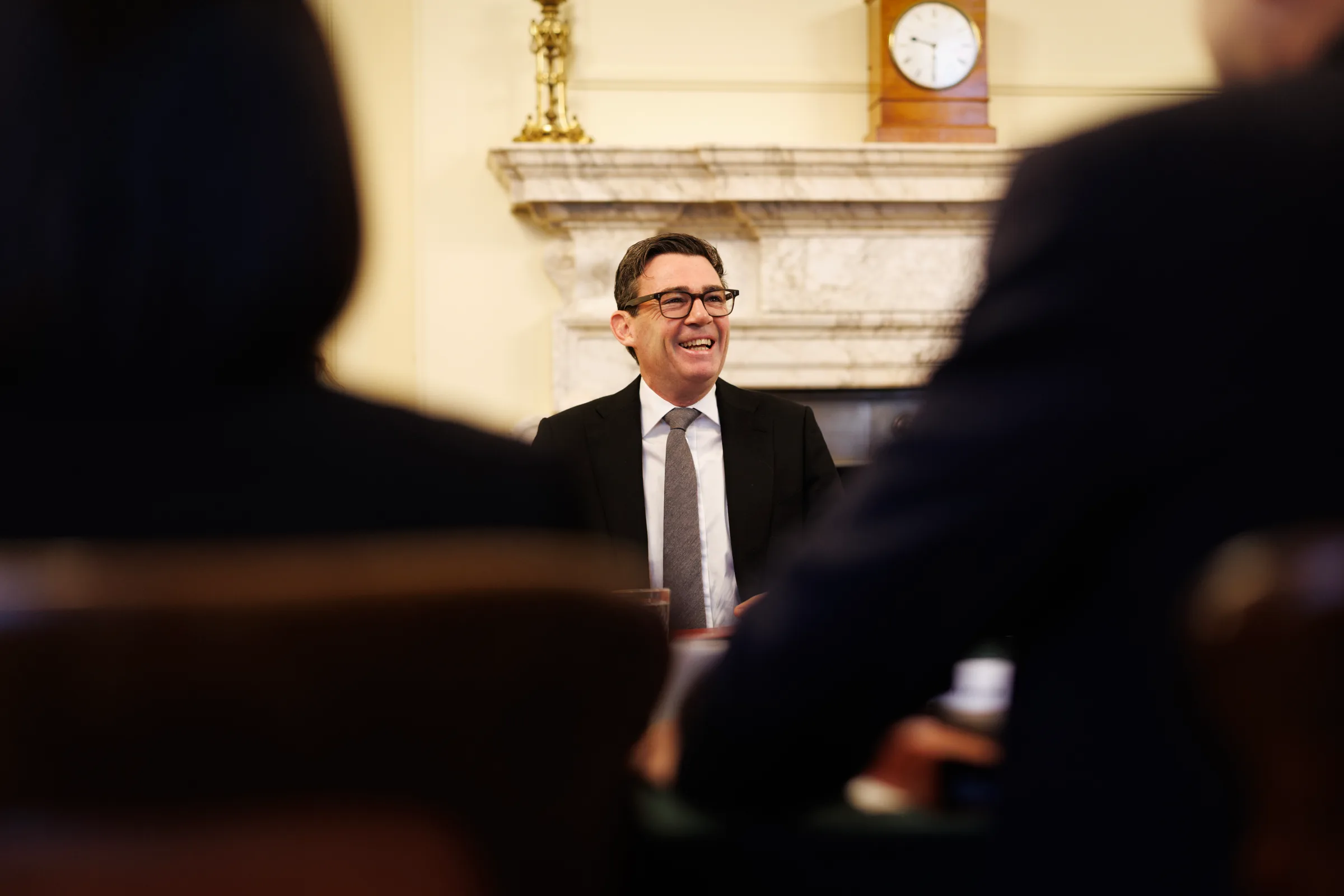
Image: For illustration