
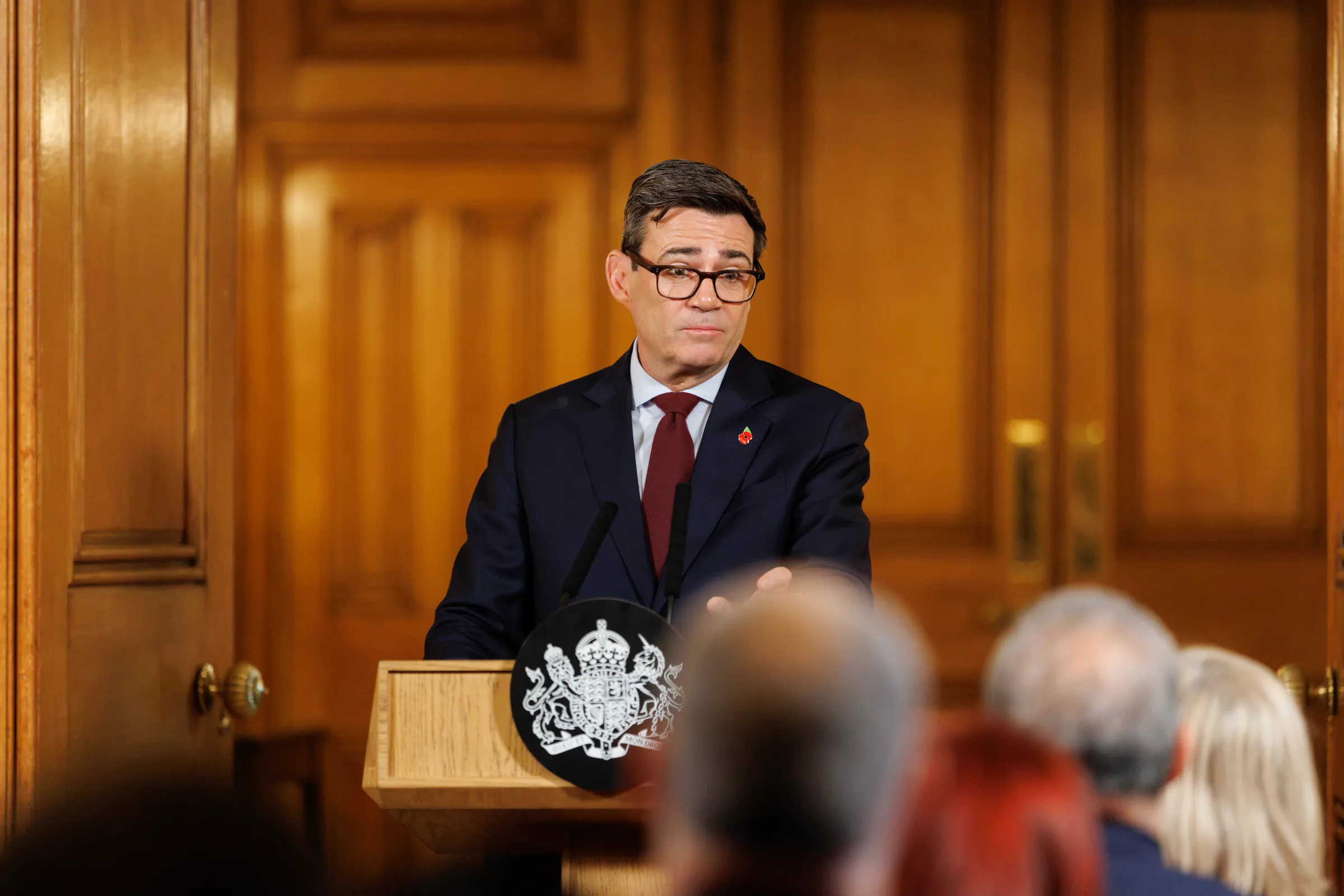
The announcement, made in Parliament on Monday, 2 November, followed opposition from Labour MPs and senior party figures to the Government's original proposals.
The change raises significant questions about the financial consequences for British taxpayers, the evidence underpinning the decision and whether Labour's internal divisions influenced the final policy.
Under the revised arrangements, care workers who entered or switched into the relevant route before May 2025 and meet the required conditions, including the applicable salary threshold, will remain eligible to apply for indefinite leave to remain after five years.
Those who have not fulfilled their visa conditions may receive a further five-year opportunity to qualify.
According to the Home Office's illustrative forecasts, approximately 146,000 workers and 136,000 dependants could retain the shorter settlement route.
The department's earlier financial analysis estimated a lifetime net fiscal cost of approximately £9.5 billion for the relevant cohort of care workers expected to settle between 2026 and 2030, together with their adult dependants.
That estimate is not the additional cost of Monday's decision. The Government has not yet published a revised assessment showing the financial difference between its original proposals and the new arrangements.
Great British PAC is calling for that assessment to be made public before the revised Immigration Rules are introduced.
The questions Labour must answer
The Home Secretary has maintained that the wider settlement reforms will save billions of pounds. However, the Government has not published the revised calculations needed to substantiate the financial implications of the care-worker exemption.
The original proposals would have delayed approximately 799,000 people from obtaining settlement, compared with around 517,000 under the revised plans, according to the Government's illustrative forecasts.
That represents a difference of approximately 282,000 people.
The policy change came after substantial opposition within the Labour Party, including objections to retrospectively changing settlement arrangements for workers already living in Britain.
The Home Secretary has argued that care workers who answered the country's call during the pandemic and complied with their visa requirements deserve recognition. She has also emphasised the exploitation experienced by some migrant workers under unscrupulous sponsors.
Great British PAC acknowledges that these are relevant considerations, but maintains that they do not remove the Government's responsibility to explain the financial consequences of its decision.
The organisation is calling on the Home Secretary and Prime Minister Andy Burnham to answer five questions:
What new evidence justified changing the proposed settlement period from 15 years to five years for qualifying care workers?
What assessment was made of the additional fiscal implications before the decision was announced?
What is the projected difference in welfare expenditure, tax receipts and public service costs under the revised arrangements?
To what extent did opposition from Labour MPs and senior party figures influence the Government's decision?
Will the full revised financial assessment be published before the relevant Immigration Rules are laid before Parliament?
Great British PAC reaction
Claire Bullivant, Chief Executive Officer of Great British PAC, said:
"The Home Secretary has announced a significant change to her own immigration proposals, yet taxpayers are still waiting for the figures needed to understand what it means for the public finances.
"Labour originally proposed that migrant care workers should wait 15 years before becoming eligible for permanent settlement. Following considerable opposition within its own party, qualifying workers will now retain a five-year route.
"That is an extraordinary change in policy, affecting potentially hundreds of thousands of people. The Government owes the public a full explanation of the evidence behind it and the financial consequences.
"Shabana Mahmood says the wider reforms will save billions. Then publish the revised calculations and allow Parliament to examine them.
"Labour cannot expect taxpayers to accept assurances about savings while the detailed figures remain unpublished.
"The British public deserves transparent immigration rules, credible financial assessments and a Government prepared to account for its decisions.
"Prime Minister Andy Burnham and his Home Secretary should ensure that Parliament has the full figures before these changes are implemented."
Great British PAC demands transparency before implementation
The first changes to the Immigration Rules are expected in December, with further implementation planned during 2027.
Great British PAC is calling for the relevant financial assessment to be published in advance, together with a clear explanation of the assumptions underpinning the Government's projections.
The organisation maintains that Parliament should be able to scrutinise the projected consequences of the revised settlement arrangements before they take effect.