
Around 200,000 families in the UK received more in state support last year than the median full-time worker earns in wages.
The figure was confirmed by work and pensions minister Baroness Sherlock in a written answer in the Lords. For the financial year ending 2025, she said, there were 200,000 families in Britain receiving more than £39,039 in state support. The comparison figure is the median annual gross earnings of full-time employees who had been in their jobs for at least a year.
The total counts tax credits and all benefits, including Universal Credit, the state pension and Personal Independence Payment. It therefore spans pensioner households, including couples on two state pensions with disability payments on top, as well as working-age families. Even allowing for that, the comparison puts the scale of the figure into perspective.
For context, the DWP's own annual report and accounts records £287.9 billion spent on pensions and benefits in 2024 to 2025. Britain spent £62 billion on defence in 2025/26.
The wider picture comes from the DWP's own Family Resources Survey, published in March. Some 54% of UK families now receive some form of state support, up from 53% the year before. That headline includes the state pension and Child Benefit, so it is not the same as saying more than half the country is on means-tested welfare; 24% of families received income-related benefits. But the same survey found 15% of families, about 5.5 million of them, received £20,000 or more from the state in a single year.
There is another thing the published figures do not show. They do not provide a breakdown of the 200,000 families by nationality, country of birth or immigration status. That leaves unanswered questions about the composition of the group receiving the highest levels of state support.
A DWP spokesman pointed out that awards over £30,000 were under 2% of the total last year, and said: "We're reforming welfare to end the culture of people being signed off and written off." Both points are fair to report. But they do not alter the Government's separate confirmation that 200,000 families received more than £39,039 in state support.
The political response has been sharp. Shadow work and pensions secretary Helen Whately said: "Our welfare system is so out of touch it pays those on benefits more than those who go out to work." Kemi Badenoch has gone further, warning that "the Labour Party has become the Welfare Party".
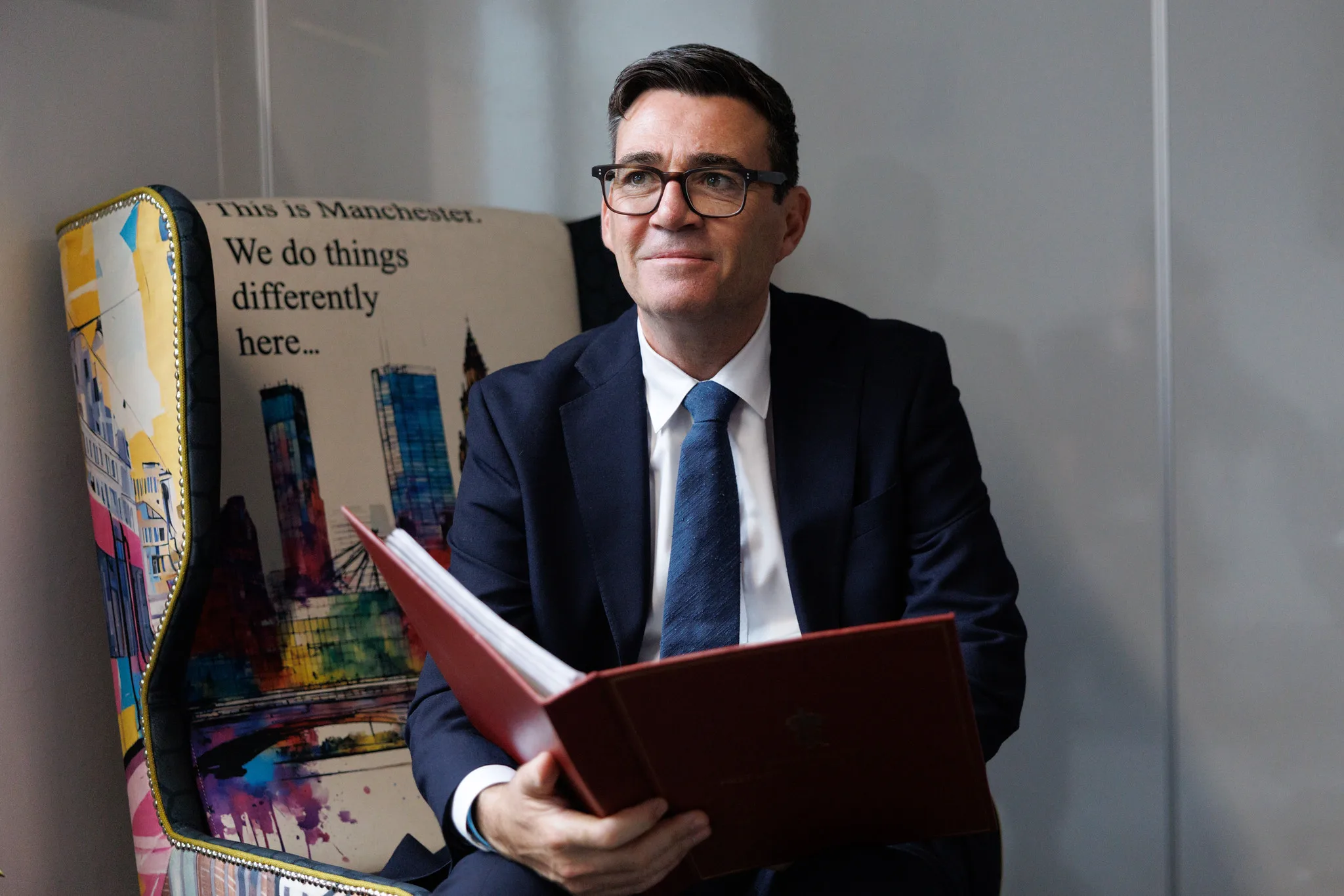
Andy Burnham, speaking in the Commons, defended the spending, telling MPs national security "cannot come at the expense of social security".
Claire Bullivant, CEO of Great British PAC, said:
"This should set alarm bells ringing in Whitehall. A welfare state should be a safety net for people who genuinely need it, not a system in which hundreds of thousands of households can receive more from the state than the average worker earns by getting up and going to work.
Britain will always have a duty to protect the elderly, the disabled and those genuinely unable to support themselves. But we also have a duty to the millions of taxpayers who work hard, pay their bills and fund the entire system.
At a time when Britain faces the most dangerous international environment in decades, we cannot pretend there are no choices to be made. We are spending roughly five times as much on welfare and pensions as we are on defending the country.
The answer is not to abandon people in genuine need. It is to restore the basic principle that, wherever someone is able to work, work should pay and welfare should help them back towards independence.
A country that cannot control its welfare bill will eventually struggle to afford the Armed Forces needed to defend it. Britain needs compassion, yes, but it also desperately needs common sense."
The Government insists reform is coming and that the vast majority of awards are modest. Both things can be true. But the scale of the welfare system makes transparency about who receives its highest levels of support increasingly important.
The Government has confirmed how many families receive more in state support than the median full-time wage. What the published figures do not show is who makes up that group. For taxpayers funding a welfare system of this scale, that is a reasonable question to ask.