Great British PAC: Publish the Costings Before the PIP Bill Hits £41.5 Billion
Some Labour MPs are pressing for it to become easier to claim sickness and disability benefits, just as the Institute for Fiscal Studies warns that easier access would likely mean more claimants and more spending. The Government's own Timms review recommends exactly that: simpler digital applications, fast-track awards for the most severe conditions and fewer repeat reviews. The Government has already accepted the last two of those measures. It has published no financial assessment of what accepting the rest could cost, with PIP spending already forecast to reach £41.5 billion by 2030-31.
The Timms review, published on Tuesday, calls for the personal independence payment (PIP) system to be made easier to navigate: an online application portal, two fast-track routes that award PIP without a full assessment for people with serious, well-evidenced conditions, and fewer unnecessary reviews for those with lifelong or degenerative conditions. The Government has already accepted the fast track and the reduced reviews. Everything else remains a recommendation. Sir Stephen Timms, the social security minister who co-chaired the year-long review, said PIP is "a valued and important benefit" but the system delivering it is "no longer fit for purpose" and "requires a fundamental reset".
That leaves the question ministers have not answered: how can Labour promise to control welfare spending while implementing changes and considering further reforms without publishing a clear account of their financial consequences?
A Benefit Bill Heading for £41.5 Billion
Some 4.09 million people in England and Wales were entitled to PIP as of official figures published in September, a record and more than four times the number a decade ago. The benefit pays up to £194.60 a week, tax-free and regardless of income or savings, to help with the extra costs of disability. Around four in ten claimants have psychiatric conditions, including autism and ADHD.
Expenditure has risen with the caseload. PIP spending was about £16 billion in 2019-20. It is forecast to reach just over £41 billion by the end of the decade. That forecast is what the Government's response to the Timms review must be judged against.
The Warning Ministers Have Not Costed
The Institute for Fiscal Studies does not say the proposals are wrong. It warns that easier access could increase claimant numbers and spending, but the Government has not published a full financial assessment of the proposed changes. Making applications easier reduces the burden on disabled applicants, which has real benefits, but past reforms show what follows: more claimants, and a bigger bill.
Eduin Latimer, the IFS's senior research economist, said: "Many of these proposals are intended to reduce the burden on applicants and make the process of applying easier. This has obvious benefits for applicants, but evidence from past reforms tells us it would likely increase the number of claimants – and hence spending."
He added that if the Government wants easier applications without breaking its spending plans, it "would likely have to tighten eligibility criteria or reduce award amounts". The review does not say which. The white paper expected in the new year must decide who gets more support, and who gets less.
The Resolution Foundation found around one in six working-age claimants, roughly 666,000 people, report no extra costs from their conditions, and estimated that ending or lowering those payments could save up to £4.4 billion by 2029-30. Reporting no extra costs does not automatically make someone ineligible, and the review's co-chair, Sharon Brennan, was clear the decision is the Government's: "It's likely there will be a rebalancing process in which some people will get more related to their needs, and some people therefore might get less."
The Government is not starting from a blank sheet. Of the review's 15 recommendations, it has accepted two: the fast-track routes, including the quickest path for people receiving end-of-life care, and fewer unnecessary award reviews for people with lifelong or degenerative conditions. It has published no costings for even those accepted changes. The wider recommendations, including the online portal and the redesigned assessment for everyone else, remain under consideration, as does the question the review leaves open: who gets more support, and who gets less?
Two Reviews, Two Directions, No Reconciliation
The Government's choices are narrowing, and the reviews it commissioned point in different directions. Last week the Milburn review recommended scrapping PIP entirely for under-25s and replacing it with support to get young people back into work. The Timms review takes a different view: it recommends that PIP keep a central cash award, non-means-tested and non-taxable, for people of all ages, with any services optional and chosen by the claimant. The two had different remits, one on youth unemployment, one on PIP itself, but on the question of under-25s and cash support they pull against each other.
Neither report is yet Government policy. The Government will respond in a white paper expected in the new year. Sir Stephen said both reports will be considered by Work and Pensions Secretary Pat McFadden, who will "decide what the right thing to do is". The Prime Minister has already signalled his direction: reform, with the bill brought down. The departmental decision sits with McFadden; the political responsibility for a programme that has produced two conflicting answers sits with the Government as a whole. It has not explained how it will reconcile them.
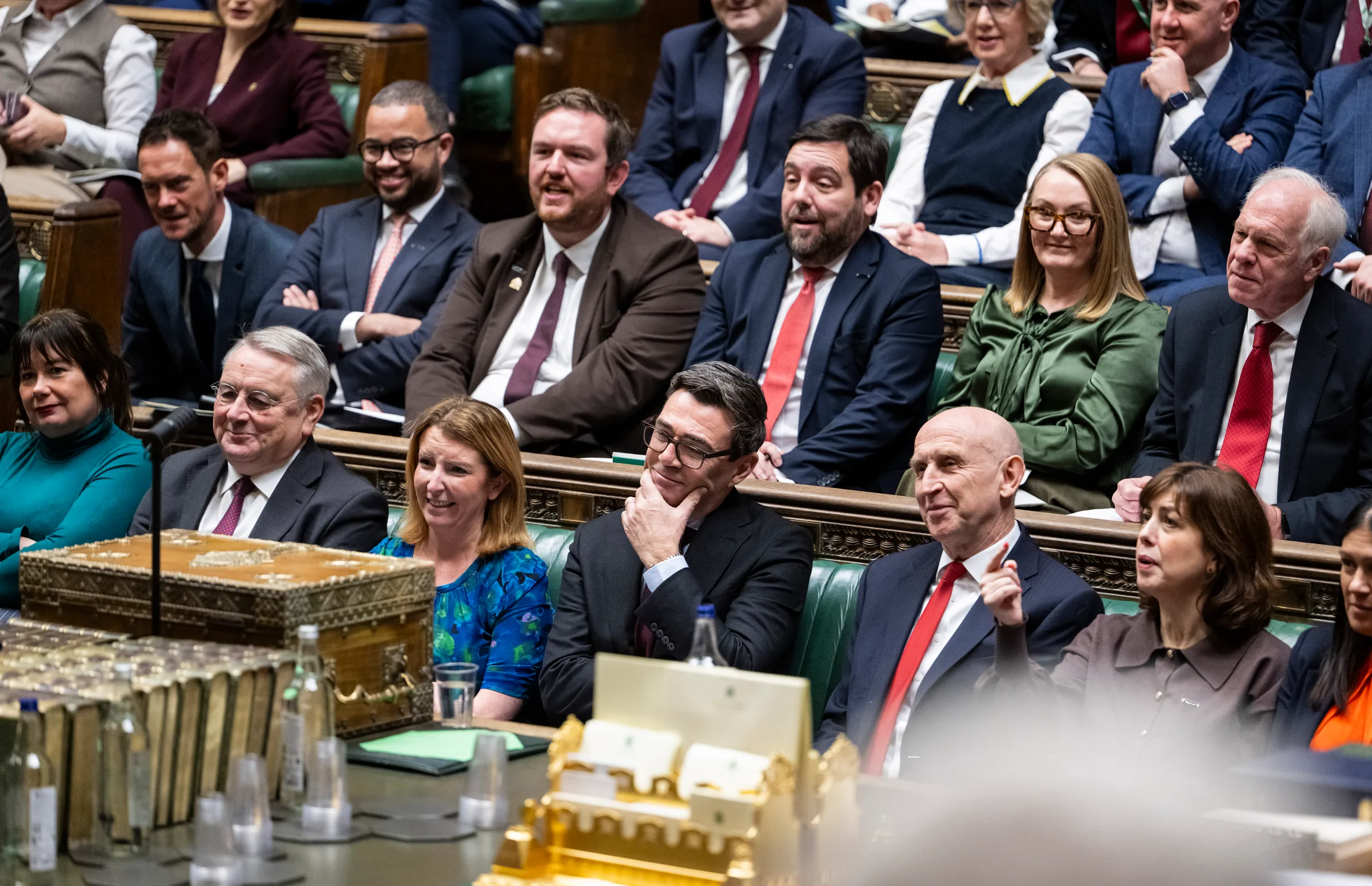
Its own backbenchers have made the choice harder. In Tuesday's Commons debate, John McDonnell said removing PIP from under-25s would "inflict harm". Debbie Abrahams, Labour chair of the work and pensions committee, told MPs: "We need to have extra support for disabled people to cover their extra costs, and that applies to everyone of all ages."
The Prime Minister says he will not "shy away from reforming the system" and wants the welfare bill down "as soon as possible", while rejecting "crude cuts". What the Government has not published is the complete financial picture. No impact assessment of the wider recommendations. No forecast claimant numbers under the proposed changes. No estimate of the effect on total PIP spending. No count of who could receive less. No timetable. Even the two changes it has accepted came with no published costing. On the evidence before the public, this programme defers every hard decision on eligibility to a future white paper, and leaves the bill unaccounted for.
The Opposition has made its verdict plain. Helen Whately, the shadow work and pensions secretary, said: "This review is a complete farce. After Labour abandoned welfare reform last year, all that is left is a review which will mean more spending, fewer checks, and a complete absence of substance." Robert Jenrick, Reform UK's Treasury spokesman, said: "Timms' recommendations will not cut the ballooning benefits bill so taxes on working people will inevitably rise."
Any additional spending must ultimately be met through taxes, borrowing or cuts elsewhere. That is arithmetic, not opinion. Ministers have not said which lever they intend to pull, and taxpayers should not be asked to accept uncosted reforms without an answer.
GREAT BRITISH PAC REACTION
Claire Bullivant, CEO of Great British PAC, said:
“A responsible government should protect the most vulnerable in society but also safeguard the hard-earned money of the British taxpayer. These principles are not incompatible. They are the foundations of sound government.
“Britain needs a welfare system that commands public confidence, supports those who genuinely need it, encourages independence wherever possible and ensures that every pound of taxpayers’ money is spent responsibly.
“With the annual PIP bill already forecast to reach £41.5 billion, it is staggering that Labour is contemplating further reforms without publishing the full financial consequences.
“The Government has no money of its own. Every pound it spends must ultimately be paid for by the British people, whether through taxation today or debt passed on to future generations.
“Compassion without financial responsibility is not compassion at all. An unsustainable welfare system ultimately fails the very people it was designed to protect.
“Labour must stop ducking the difficult decisions, publish the full costings and explain how it intends to bring welfare spending under control. Both disabled people and hardworking taxpayers deserve certainty, transparency and competent leadership.
“Britain cannot afford government by blank cheque.”
GREAT BRITISH PAC DEMANDS
Publish the costings. Pat McFadden and the Prime Minister must publish full impact assessments of the Timms recommendations before the white paper, covering the two measures already accepted as well as those still under consideration, including forecast claimant numbers and the effect on total spending.
Publish the Milburn numbers. The Government must state how many under-25s would lose PIP under the Milburn proposal, what would replace it and what it would cost, before any decision is made.
Say who loses. Ministers must publish their estimate of how many claimants would receive less under the "rebalancing" the review anticipates, and confirm whether any new eligibility test applies to existing claimants or only new ones.
Independent scrutiny. New eligibility criteria must be independently tested and scrutinised before implementation, as the review's own report demands.
A parliamentary vote. The Government's final proposals must be put to a vote in the Commons before any changes are implemented, so MPs get meaningful parliamentary scrutiny rather than a finished restructuring as a fait accompli.
End the uncertainty. The Government must state publicly whether under-25s will retain PIP, and explain how it intends to reconcile the different approaches set out in the Timms and Milburn reviews.
A plan for the bill. With PIP spending forecast to reach £41.5 billion by 2030-31, the Chancellor must tell taxpayers how the Government intends to fund it, and what happens if the bill rises faster.
A Review That Spends, Not Saves
Labour promised to control welfare spending. Its review recommends easier access and a redesigned system, the IFS warns that easier applications could mean more claimants and higher expenditure, and the Government has accepted two immediate changes without explaining the full financial consequences of its wider reform programme. Disabled people who depend on PIP deserve a fair, accessible and workable system. Taxpayers deserve transparency and a credible spending plan. Both are being asked to wait. The Government must publish the numbers before the white paper, not after.