
Adults who have penetrative sex with children aged 13 to 15 can still avoid a rape charge in cases where the child is said to have consented, because the government has not brought into force the new offences Parliament approved in April to close that gap.
The Crime and Policing Act 2026 received royal assent on 29 April under Sir Keir Starmer's government, delivering the first recommendation of Baroness Casey's audit of group-based child sexual exploitation. Section 81 creates three new offences, including rape of a child under 16, for offenders aged 18 or over. Under the new offences, the prosecution does not have to prove that the child did not consent, so ostensible or purported consent, and reasonable belief in consent, are irrelevant. Each offence carries a maximum penalty of life imprisonment.
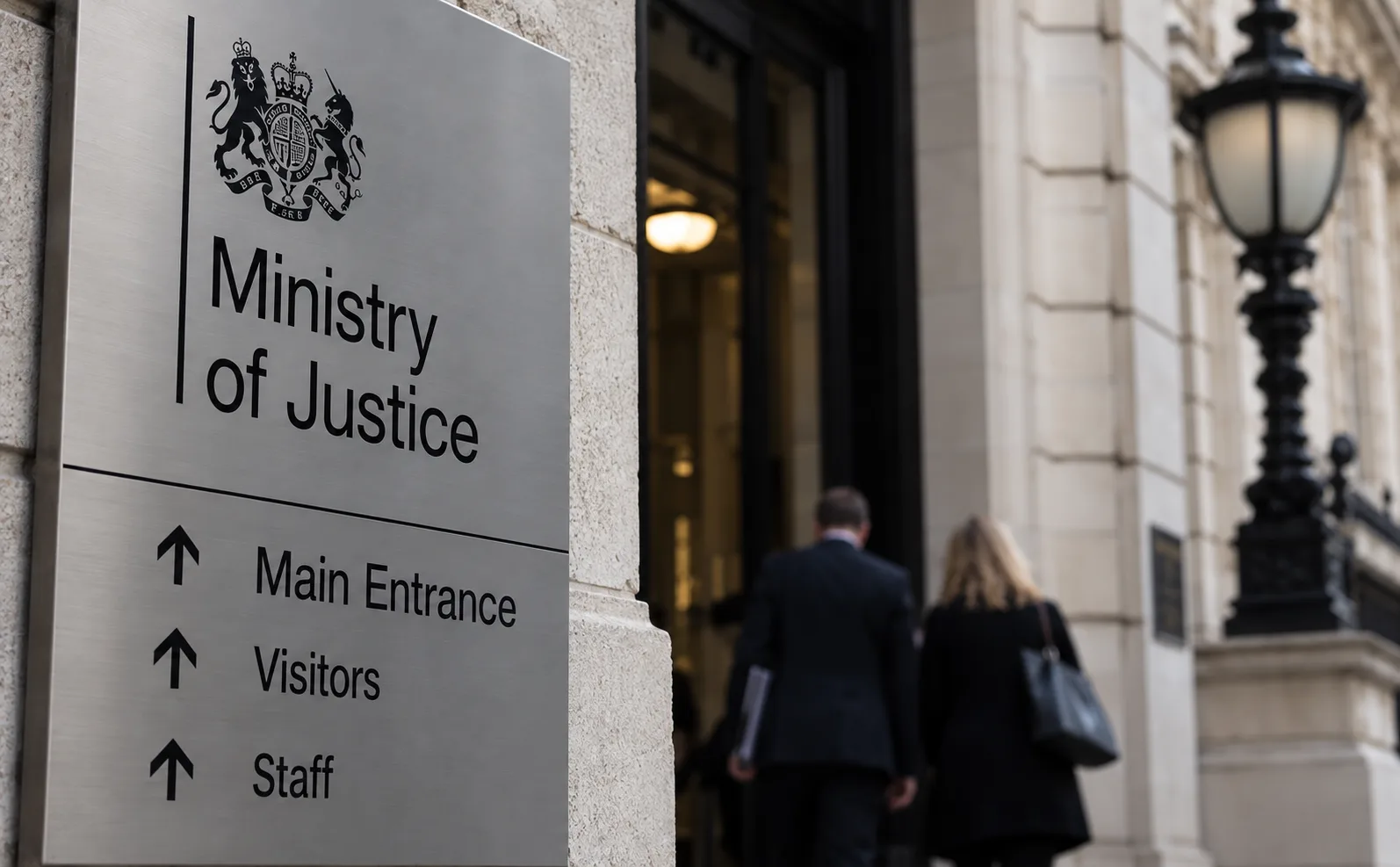
Yet the provisions have not commenced. Parts of the Act were brought into force on 29 June by the first commencement regulations, but section 81 was not among them, and a provision that is not in force cannot support a criminal charge. The Ministry of Justice has not announced a commencement date or an implementation timetable. Alex Norris, appointed Lord Chancellor and Justice Secretary on 20 July, heads the department that assessed the measures.
A Ministry of Justice impact assessment, first reported by Inside Time, forecasts around 5,000 additional crimes recorded by police each year, more than 400 prosecutions and 300 convictions a year in steady state. "We estimate that this measure may lead to 200-350 additional prison places, at an average annual cost of £11.7m," the assessment states. The figures are best estimates and projections, not confirmed outcomes. Two other measures covered by the assessment, covering intimate images taken without consent and encouraging others to self-harm, are forecast to require a further 25 places, taking the estimated total to between 225 and 375.
The forecasts matter because prisons in England and Wales are close to full. On Thursday 1 October, around 700 prisoners, among them violent offenders, domestic abusers and thieves, were released under the government's early release scheme, which moves the automatic release point for most fixed-term prisoners from halfway to one-third. Around 4,500 are due to be released by next summer. Rape, serious child sexual offences and grooming offences are excluded, after the Prime Minister, Andy Burnham, halted the planned changes within days of taking office and ordered that rape and serious child sex offences be excluded.
Ministry of Justice figures reported by The Telegraph show spare places in men's prisons rose from 1,134 before the releases to 1,761 by Monday 5 October, leaving adult male jails at 98 per cent of capacity. At the rate recorded in late September, when 87,499 prisoners were held across 120 jails with around 1,500 spare beds, spare cells would have run out by Christmas.
Mark Day, deputy director of the Prison Reform Trust, told Inside Time: "At a time when prisons are in the midst of a capacity crisis, the government should be cautious about introducing new offences which would further inflate the prison population."
Baroness Casey made mandatory rape charges the first recommendation of the National Audit on Group-based Child Sexual Exploitation and Abuse, published in June 2025. The audit found that too many cases had been dropped or downgraded from rape to lesser charges where 13 to 15-year-olds were perceived to have been "in love with" or to have "consented" to sex with the perpetrator. The government accepted all 12 of the audit's recommendations.
Under existing law, rape charges carrying the life maximum are already available for cases involving 13 to 15-year-olds where prosecutors can prove the child did not consent and that the defendant could not reasonably have believed they did. Where prosecutors cannot establish the elements of rape under existing law, charges may instead be brought for sexual activity with a child, an offence carrying a maximum sentence of 14 years and a guideline range from a community order to 10 years. The new offences remove the need to disprove consent: an adult who intentionally penetrates the vagina, anus or mouth of a child aged 13 to 15 with his penis will face a rape charge unless he reasonably believed the child was 16 or over, while other penetrative conduct is covered by the parallel offences of assault by penetration and causing or inciting penetration, which carry the same life maximum. Rape carries a guideline offence range of four to 19 years. For victims under 13, existing offences already carry the life maximum, with consent irrelevant as a matter of law.
The Ministry of Justice said it remained committed to enacting the new child rape laws but did not give a date for their introduction. Officials said commencement had to be "carefully staged" to ensure the criminal justice system had the "processes, capacity and resources" to implement the new offences "safely and consistently".
The Conservatives said the delay risked betraying victims. Nick Timothy, the shadow justice secretary, said: "Delaying laws to toughen punishment for rape would be a disgraceful betrayal of the victims of the vile rape gangs.
"As we saw with their reckless early release scheme, Labour are ideologically anti-prison and would rather let people out than do the hard work required to keep them in.
"Only the Conservatives have a plan to fix our prison estate by building 50,000 new places, ending early release for good and ensuring we can send violent and serious repeat offenders to prison."
The Conservative leader, Kemi Badenoch, has pledged to deliver the 50,000 places within seven years.
A Government spokesman said: "We want to see the perpetrators who commit child sex offences locked up for longer, and we are changing the law to give judges the power to hand out tougher sentences.
"This is on top of our unprecedented action to bring more abusers and grooming gang offenders to justice, backing police with record funding to reopen closed cases and introducing mandatory reporting of abuse.
"We are also pulling every lever possible to fix the prisons crisis, building 14,000 new places to keep the worst offenders behind bars."
Officials said that even without the new offences, adults convicted of sexually abusing children face long sentences, preventative orders and placement on the sex offenders' register.
Great British PAC reaction
Claire Bullivant, Chief Executive of the Great British PAC, said:
“This is an absolute disgrace and a damning indictment of Labour's priorities. What sort of government finds itself able to release thousands of convicted criminals early, yet cannot bring into force laws designed to ensure that adults who rape children face the full force of justice?
“Baroness Casey exposed the appalling reality that some child rape cases had been downgraded because children as young as 13 were deemed to have consented to their own abuse. Parliament passed legislation to close this loophole in April. Months later, Labour still cannot tell us when it will come into force. How on earth can that be justified?
“A child should never be treated as having consented to sexual exploitation by an adult. These are children, not willing participants, and our justice system must recognise that unequivocally.
“If Labour is hesitating because tougher sentences would require another 200 to 350 prison places, then it should have the courage to say so. And if prison capacity is the problem, BUILD MORE PRISONS NOW. That is what governments are elected to do: protect the public, uphold the law and ensure dangerous offenders are properly punished.
“The British people are sick and tired of excuses. Victims of these horrific crimes have already suffered unimaginable betrayal. They must not be betrayed again by a government that appears more concerned about managing prison numbers than delivering justice.
“Labour must immediately explain this delay, publish a firm implementation date and ensure the necessary prison places are available. Protecting children should never be an administrative inconvenience. It should be an absolute priority.”