Standing in for Andy Burnham at PMQs, Louise Haigh said the Government intends to bring the welfare bill down, but would not put a number or a timetable on it and would not rule out tax rises to pay for it. The Conservatives, by contrast, have published a plan for £36bn of annual welfare savings. With the OBR forecasting £431bn of spending by 2031-32, Great British PAC is demanding a measurable commitment, not another review.
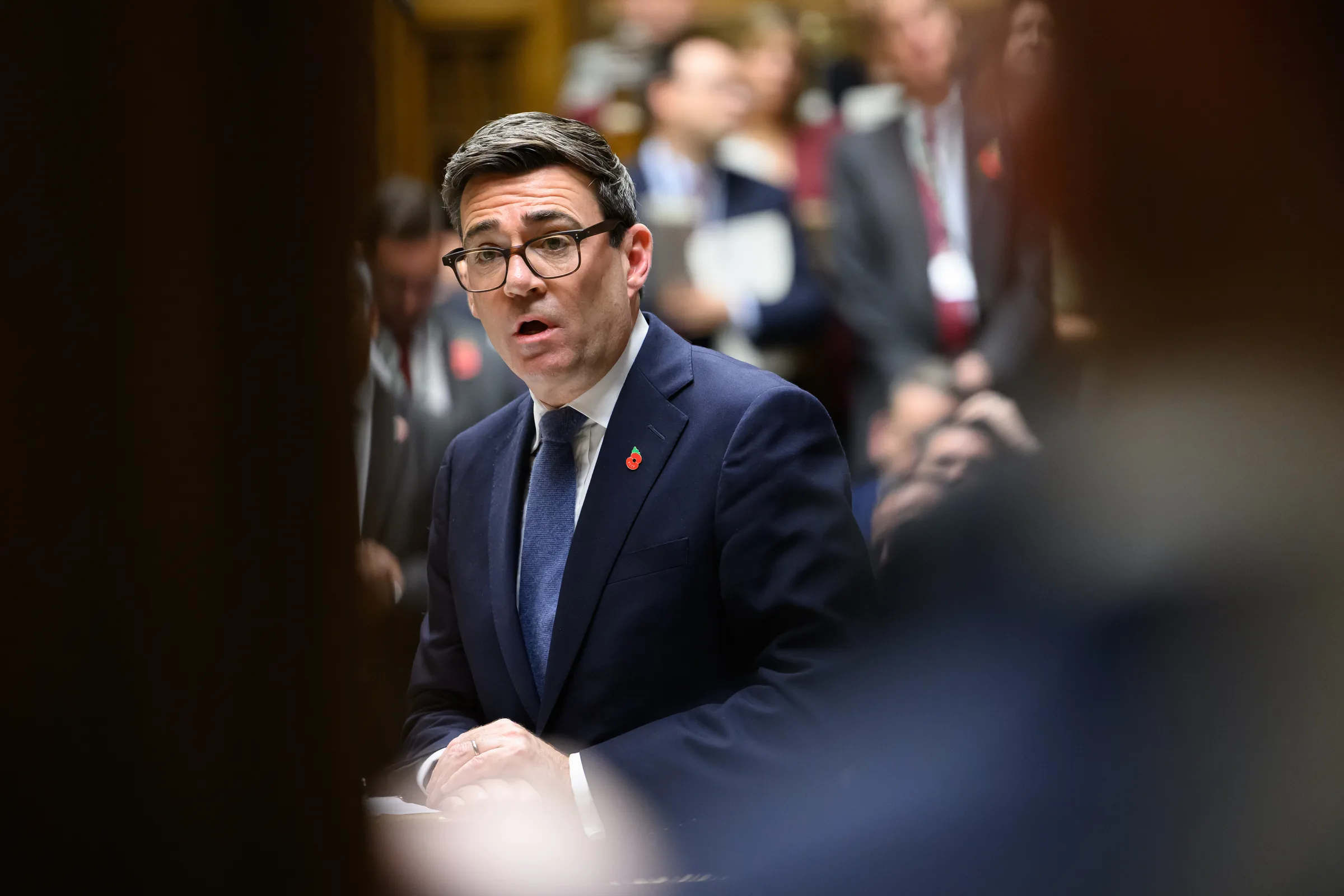
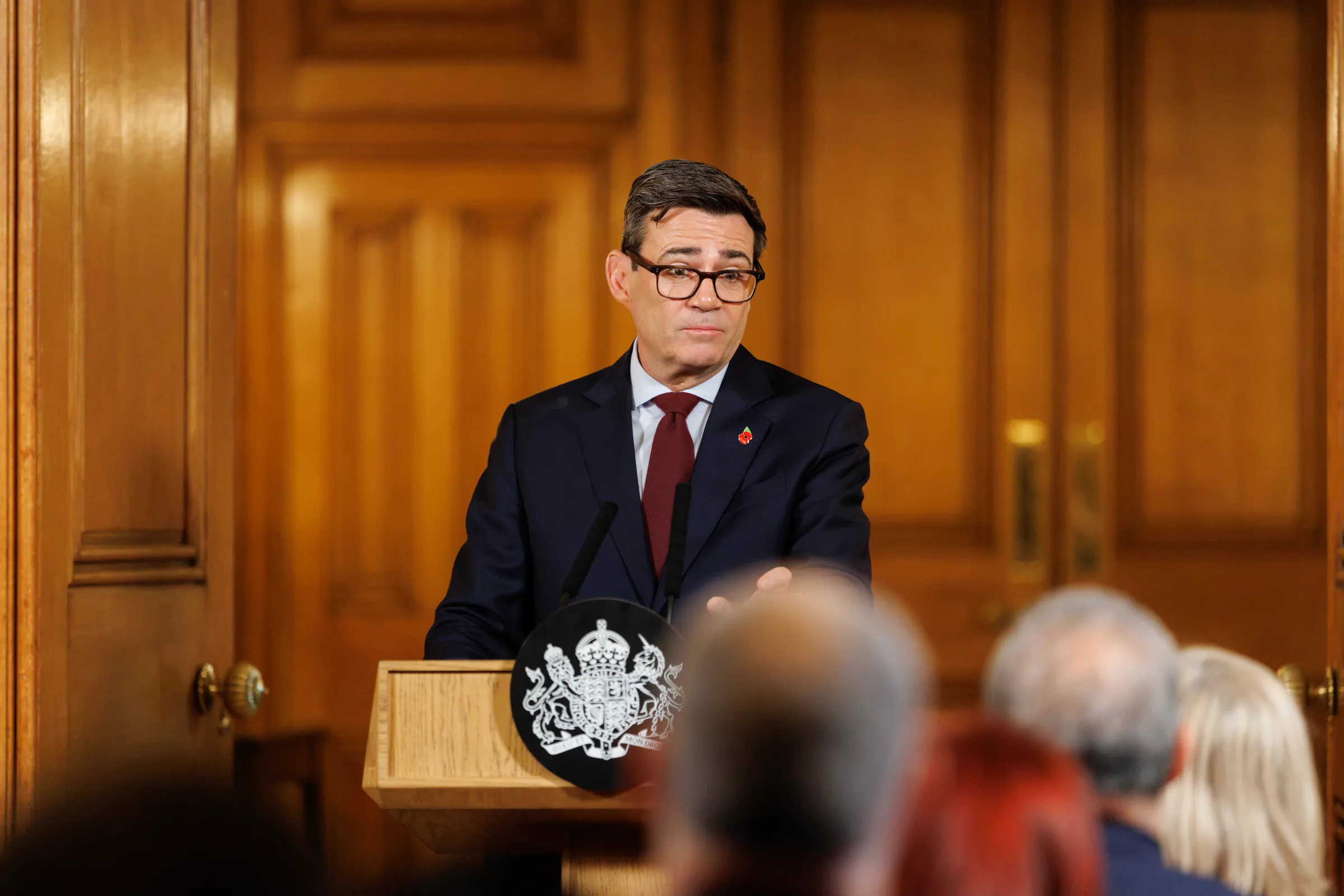
Labour has failed to guarantee that Andy Burnham's 10-year plan for Britain will deliver measurable welfare savings, after the minister standing in for the Prime Minister at PMQs repeatedly declined to provide a target or timetable.
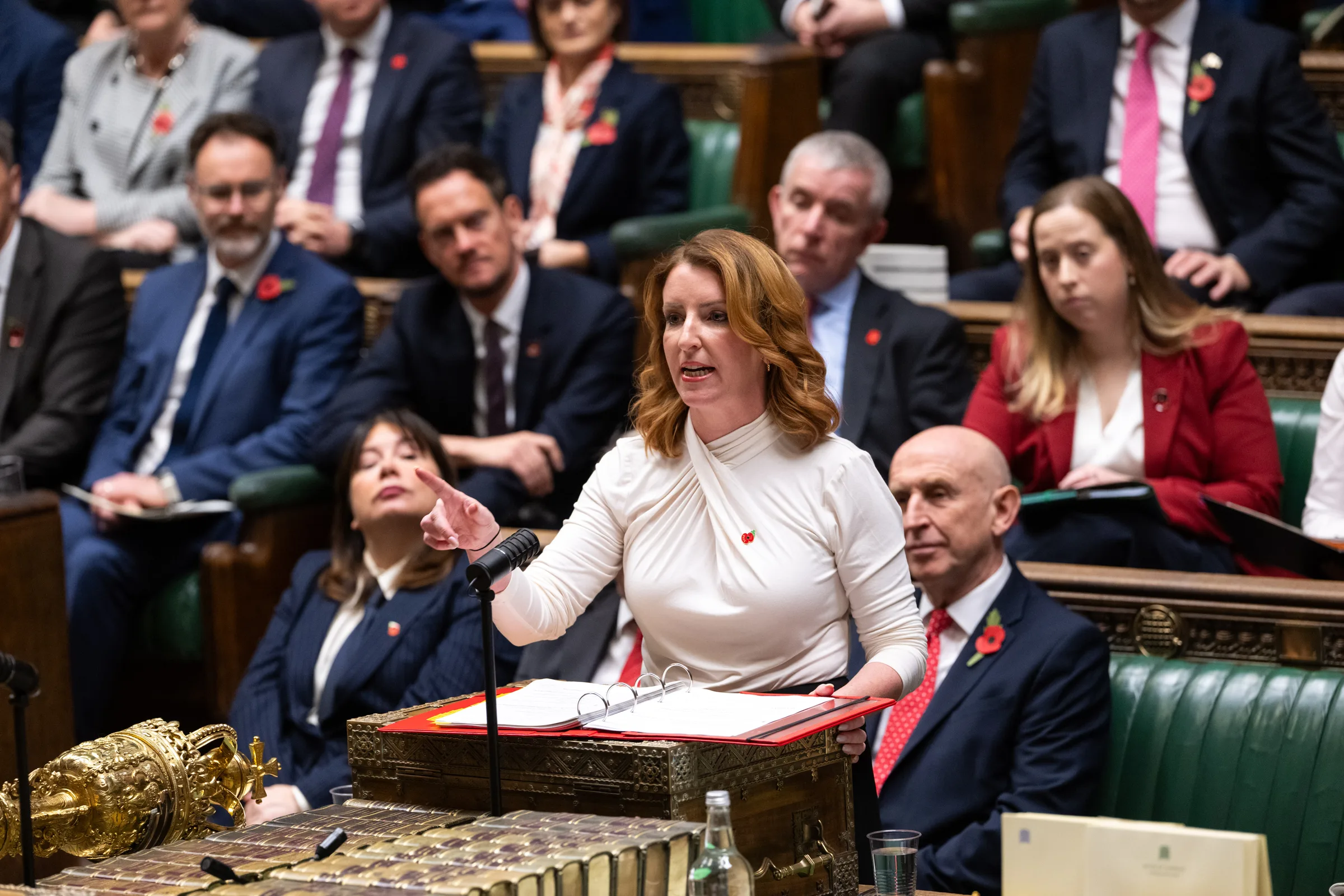
Louise Haigh, the First Secretary of State, faced the Commons on Wednesday in place of the Prime Minister, who was attending the Commonwealth summit in Antigua. Alex Burghart, deputy leader of the Conservative Party, asked whether the 10-year plan, promised before the end of the year, would reduce "the highest welfare bill ever". As City A.M. reported, Ms Haigh offered no savings target and no date.
Pressed further on whether she would "promise" that Labour "will not put up taxes to cover these ever-increasing costs", according to reporting by LBC, she declined to give that assurance.
The unanswered question
Ms Haigh's substantive answer was that the Government is already acting. "We are taking steps already to bring the welfare bill down and we will take further [steps]. We've committed to legislate," she said. "We will make support more conditional on taking up opportunities, ensuring young people get help they need earlier, tackling the long-term drivers of welfare spending, including high housing costs, and we will do all this in a Labour way."
She did not dispute the need for savings; what she did not provide was what the Conservatives asked for: a measurable commitment. Mr Burghart told the Commons: "The Labour way is more tax, more welfare and more borrowing. They know what needs to be done but they don't have the bottle to do it."
What the forecast actually shows
The Office for Budget Responsibility's October 2026 Economic and Fiscal Outlook expects welfare spending to rise by £19bn this year to £353bn, reaching £431bn by 2031-32. That figure is in cash terms and covers all working-age and pensioner benefits. According to the BBC's analysis of the forecast, of the 2031-32 total £209.8bn goes on pensioners, including the state pension, £110.7bn on universal credit and legacy equivalents and £69.6bn on disability benefits. The state pension, not unemployment or disability support, makes up the largest share of the forecast.
The OBR expects sickness and disability benefits alone to cost £100bn a year before the end of the decade, an increase driven largely by health-related working-age claims. Source
The Conservative alternative
Kemi Badenoch's Conservatives, by contrast, have published a quantified plan. Their updated Plan for Savings, announced at party conference in October, totals £71bn a year, including £36bn from welfare. Under the party's "Golden Economic Rule", £35.5bn of that is earmarked for deficit reduction, with the remainder supporting spending commitments including its ambition to spend 3 per cent of GDP on defence by 2030. The welfare measures announced include restoring the two-child benefit limit, reforming housing benefit, restricting benefits for most foreign nationals, tightening work capability assessments, ending the GP fit-note system and a new Get to Work programme that would bar most under-25s from claiming Universal Credit straight out of education. These are the Conservatives' own estimates, not enacted policy and not independently costed, but they are stated, public and measurable. Labour has yet to publish a comparable overall savings target or a firm timetable for reducing expenditure.
Mr Burnham rejects the approach. "If you just go to brutal cuts, you will leave people in absolute crisis and then they will be going into other services in a chaotic way," he told ITV News, arguing the pressure would fall on A&E, the police and the criminal justice system.
Labour's record and its divisions
John Healey's Budget on 28 October set out no major new welfare savings, deferring decisions until after the Milburn and Timms reviews report this month, with legislation not expected before next year. Asked on BBC Radio 4 whether the bill would fall before the next election, the Chancellor said: "There will be a reduction in the benefits bill." As the BBC reported, Treasury sources then disputed that he had promised any such thing by polling day, and Downing Street insisted the Government was "not setting an arbitrary target or timetable".
The Government's difficulty is its own record. Ms Haigh was among the senior Labour figures who supported the rebel amendment against Sir Keir Starmer's Welfare Reform Bill in June 2025, a measure whose disability benefit cuts were worth £5bn a year before they were abandoned. Pat McFadden, now Work and Pensions Secretary, wrote to Lord Mandelson in May 2025: "Every meeting I have is 'who can we tax in order to pay benefits to others'. They're asking the wrong questions." He has since said he stands by the message.
Mr Burnham, meanwhile, has directed expectations to the plan still to come. "I would very much now point to the 10-year plan. In my mind, that was always the radical moment. That's the moment when people will see," he said in his first 100 days interview with ITV News. He has never guaranteed the bill will fall before the next election.
Without a published overall savings target, a firm timetable and transparent financial projections, Labour is asking taxpayers to take its assurances on trust. Great British PAC's position is straightforward: the Conservatives have put a number on the table. Labour should put one on its own.