Mayors could sit on nine new regional bodies with powers to oversee Britain's water companies, in the Prime Minister's first attempt to define what his promised "public control" of utilities could mean in practice.
The plans, first reported by The Telegraph, would see the boards made up of local political leaders sitting alongside public health officials, customers and environmental officials. They would set company objectives and hold bosses to account over bills, shortages and sewage discharges.
The idea is expected to feature as a central part of Mr Burnham's "10-year plan", due in November, though no final decision has been made and the timing of any announcement has yet to be finalised. In his first address to the Commons as Prime Minister, Mr Burnham described Britain's water system as a "leaking monument" to a "series of wrong turns" taken by politicians since the 1980s.
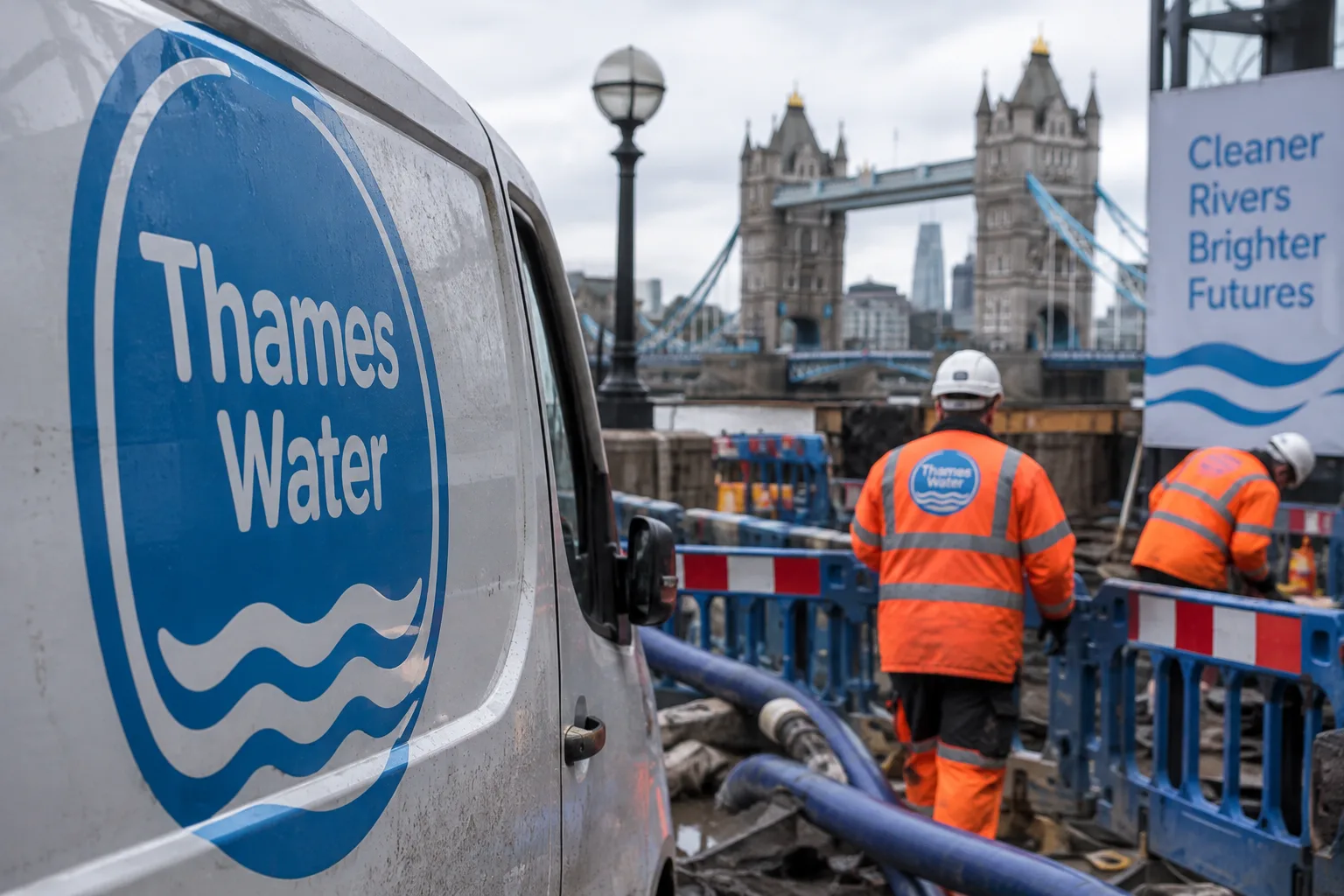
Water firms have faced years of criticism over chronic underinvestment in ageing infrastructure, sewage spills in waterways, and executives on substantial pay while customers' bills rose. Burst pipes and leaks have caused misery for consumers.
From nationalisation to "public control"
At the Makerfield by-election, Mr Burnham backed the full nationalisation of some water firms, including Thames Water, a move that panicked investors. Once in office, he said he instead wanted "greater public control" of utilities: a reversal of decades of private ownership, but stopping short of a state buyout costing tens of billions of pounds.
The plan is the latest in a run of powers handed to mayors. Some English mayors are being given a share of their area's income tax revenue, which Treasury officials believe will encourage them to pursue economic growth. They have also been allowed to impose uncapped tourist taxes on hotels, holiday lets and bed and breakfasts, which the hospitality industry has criticised.
Kemi Badenoch, the Conservative leader, has attacked Mr Burnham's devolution-heavy "theory of growth", which she said would mean "more government control, more taxes and more politicians" and take Britain "back to the 1970s".
Another layer of regulation?
The boards are expected to be in charge of engaging customers, running online consultations modelled on the feedback service used by Transport for London, which collects opinion on proposed transport routes and Tube services.
The idea was first suggested by Sir Jon Cunliffe, a former deputy governor of the Bank of England, in his review of the water industry for Sir Keir Starmer's government, whose final recommendations were published on 21 July 2025. Sir Keir's government accepted some recommendations, including a plan to abolish Ofwat and replace it with a "super regulator". It did not implement Sir Jon's suggestion of "regional system planning" through nine boards composed of mayors, customers, public health officials, engineers and farming groups. Mr Burnham is now considering doing so.
The nine bodies are expected to roughly match the geography of the biggest water firms in England and Wales. Supporters hope the bodies could help restore public trust in the sector and strengthen companies' ability to raise private capital. The proposals would also give regional bodies greater influence over objectives and company performance.
But the scheme is also likely to raise concerns about an extra layer of local bureaucracy, after years of criticism of Ofwat and a regulatory system that failed to stop the industry's failures. Mr Burnham is expected to argue that devolving regulation to local bodies puts firms back into public control without the need for multi-billion-pound state takeovers.
A Whitehall source told The Telegraph that the regional bodies would probably be one of several policies to revive public trust in the water sector, under plans being drawn up by Angela Eagle, the Environment Secretary.
A nervous market
Financing conditions for water companies have become increasingly difficult amid political and regulatory uncertainty over the sector. Earlier this month, South East Water abandoned a £200m bond issue after failing to attract enough interest from investors, who cited growing political and regulatory risks in the sector.
A temporary state takeover of Thames Water, which is on the brink of financial collapse, could cost the taxpayer up to £4.1bn over 18 months, under estimates drawn up for the Government. Much of the company's debt would probably be written off.
The firm's creditors have told officials at the Department for Environment, Food and Rural Affairs that they would support a similar model of regional regulation to avoid full state ownership, with new powers for Lord Khan of Tooting, the Mayor of London. A source close to the creditors said they would "work hand-in-hand with local authority leaders to deliver the infrastructure improvements customers deserve", adding: "Greater local oversight will help improve the environment and public services that customers receive."
Bonuses by any other name
Last year, water industry bosses were banned from receiving performance bonuses if their companies failed strict environmental, customer and financial standards.
Chris Weston, the Thames Water chief executive, still saw his salary rise by nearly 14 per cent over a year, to £995,000, despite the company failing to hit some of its targets. Anglian Water paid Mark Thurston, its chief executive, a £1.27m "retention payment" on top of his base salary. Emma Reynolds, then the environment secretary, vowed to prevent bonuses "by any other name".
The bonuses were banned. The pay carried on rising.
A government spokesman said: "Our water industry has not been working for people for far too long. We're bringing in tougher regulation, stronger enforcement and greater accountability, so water companies deliver for customers and the environment."
Claire Bullivant, CEO of Great British PAC, said:
"This is Labour chaos dressed up as devolution. Burnham wants to create nine new quangos, stuff them with mayors, and call it 'public control' while the water companies carry on exactly as before, sewage spills and all. It's the worst of both worlds: taxpayers pay for the bureaucracy, bill-payers get none of the accountability, and nobody actually owns anything. If Labour can't decide between nationalisation and privatisation, the honest answer is to admit their own MPs don't trust their own Prime Minister's plan… and neither should the public."
The Government will argue that nine boards cost a fraction of the estimated £4.1bn a temporary Thames Water takeover could run to, and give customers a voice they have not had since the 1980s. The test, though, will be measured in sewage spills and bills, not board seats.